Stop Worshipping Heroes. Celebrate the Movement.
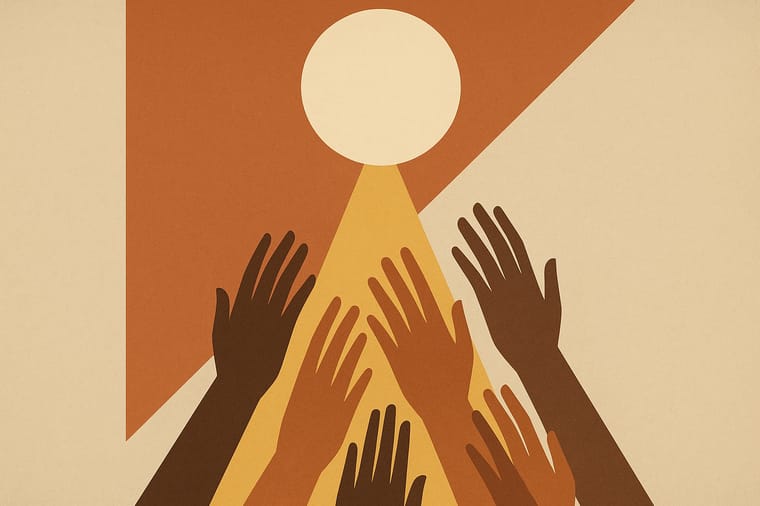
With the latest reporting on Cesar Chavez — including the New York Times investigation into decades of alleged abuse and the rapid wave of institutions stripping his name from schools, streets, and even California’s state holiday^1 — we’re living through a familiar pattern. We elevate a person until their shadow engulfs the movement that made them possible, then we act stunned when the myth cracks. Maybe the problem isn’t the fall from grace. Maybe the problem is that we were celebrating a person in the first place.
The thesis
Hero worship feels efficient. One face, one origin story, one narrative arc. But change is rarely authored by an individual. It’s a network of organizers, caretakers, translators, funders, workers, and dissidents who usually don’t make the statue. When credit collapses onto a single figure, three things happen:
- Accountability evaporates. We excuse harm because the hero was “complicated,” as if everyone else in the movement hadn’t been navigating the same constraints without abusing people.
- Power structures stay hidden. Mythologizing a leader distracts from the industrial-scale exploitation, policy failures, or technological capture we were trying to fix.
- Progress becomes fragile. When the hero fails, the work pauses. Institutions rename buildings instead of recommitting to the cause.
We’ve run this play before
Civil rights
Martin Luther King Jr. is essential, but Ella Baker, Fannie Lou Hamer, Bayard Rustin, the local SNCC organizers, and thousands of nameless church ladies kept the movement alive. Centering one man let the country ignore the infrastructure that actually desegregated the South — and it made the movement vulnerable whenever his personal life was attacked.
Organized labor
We remember Jimmy Hoffa, not the rank-and-file educators who built the Chicago Teachers Union or the logistics coordinators who made the 1934 West Coast longshore strike hold. When leadership is idolized, corruption scandals turn into existential crises instead of opportunities to strengthen democratic shop floors.
Technology
Silicon Valley folklore turns Steve Jobs or Elon Musk into singular geniuses. Meanwhile, the teams who built UNIX, Ethernet, the iPhone radio stack, or reusable rocket avionics remain invisible. That blindness is how we ended up with platforms that externalize harm while their figureheads collect the moral credit.
Environmentalism
Greta Thunberg became a symbol by design, but the work is done by Sámi activists, Pacific Island organizers, and small-town zoning boards. When she is attacked, the opposition frames the entire movement as performative instead of unavoidable infrastructure decisions.
Why it matters now
The Chavez revelations aren’t just a personal failing. They show how concentrating adulation in one person silenced victims for decades. Entire institutions hedged their reputations on his purity, so nobody wanted to look too closely. You can copy-paste that dynamic into any corporate founder saga, nonprofit meltdown, or political movement facing its reckoning.
If we celebrated the movement, we would have:
- Documentation that foregrounds collective authorship.
- Rituals and holidays that honor ongoing work, not a single biography.
- Governance models that make abuse harder to hide because no one person can control access, money, or narrative.
How to shift the frame
- Rewrite honors. Rename holidays, scholarships, and buildings after the movement’s purpose (“Farmworkers Day”) or after rotating cohorts of contributors, not one marble bust.
- Design plural narratives. Museums, textbooks, and onboarding decks should show the messy org chart of change: translators, fundraisers, dissidents, skeptics. Make lineage maps, not portraits.
- Codify succession early. Movements should plan for leadership transition on day one. If the only legitimate spokesperson disappears, the work shouldn’t stall.
- Surface the invisible labor. Pay attention to the archivists, caregivers, legal strategists, and logistical crews. Publish operating manuals so future organizers can pick up the thread without kneeling at an altar first.
- Treat accountability as maintenance, not betrayal. If we’re celebrating a system, auditing misconduct becomes routine upkeep, not sacrilege.
The takeaway
Great movements deserve better than fragile idols. Celebrate the craft — the organizing models, the legal scaffolding, the data pipelines, the culture that keeps people safe — and the work can survive scrutiny. Keep worshipping heroes and we’ll keep rebuilding from rubble every time a pedestal cracks.